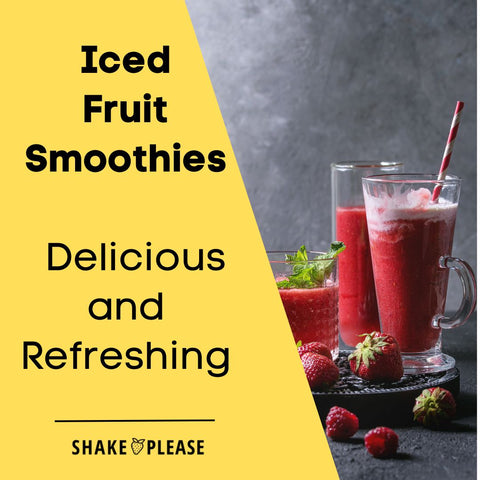
The lap band liquid diet — required both before and after adjustable gastric band surgery — is one of the most protein-demanding dietary protocols in bariatric care. Before surgery, a two-week liquid diet shrinks the liver to make the procedure safer. After surgery, the same liquid discipline protects the band placement while your stomach heals and adjusts to the restriction. This guide covers the best liquid diet ideas for both phases, how much protein you actually need, and which smoothie options are most practical when volume is severely restricted and appetite is low.
Lap Band Diet Phases: Before and After Surgery
Pre-Surgery Liquid Diet (2 Weeks Before)
The pre-operative liquid diet serves a specific surgical purpose: reducing liver size. The liver sits directly over the stomach, and a fatty or enlarged liver makes laparoscopic band placement technically difficult and increases complication risk. A high-protein, low-carbohydrate liquid diet for two weeks reliably reduces liver volume by 20–30%, according to research published in Obesity Surgery.
Pre-surgery liquid diet targets:
- 800–1,200 calories per day
- 60–80 grams of protein per day minimum
- Low sugar and low carbohydrate to maximize liver glycogen depletion
- No carbonated beverages
Post-Surgery Liquid Diet (Weeks 1–2)
Immediately after lap band surgery, the stomach needs time to heal around the band without stretching or disrupting placement. Clear liquids only for the first 24–48 hours, advancing to full liquids as directed by your bariatric team — typically by day 3.
Post-Surgery Soft and Mushy Food Phases (Weeks 3–6)
Most lap band programs advance from liquids to pureed foods at week 3, then soft foods at week 5, before returning to a modified normal diet at week 6–8. After the first fill (band tightening), patients often need to return to liquid or soft foods temporarily as the restriction increases.
Best Lap Band Liquid Diet Ideas
High-Protein Liquid Options
- High-protein frozen smoothies — 24–33g protein per cup. Shake Please protein smoothies are pre-portioned, require no preparation, and deliver concentrated protein in a smooth format appropriate for both pre- and post-surgery liquid phases. Stock your freezer before your procedure date so recovery nutrition is covered from day one.
- Whey protein shake with skim or low-fat milk — 30–40g protein. The most protein-dense liquid option available. Choose low-sugar formulations to support liver reduction pre-surgery and avoid dumping-adjacent symptoms post-surgery.
- Greek yogurt thinned to pourable consistency — 15–18g protein per serving. Blend with milk or water until completely smooth. Appropriate from Phase 2 (full liquids) onward.
- Cottage cheese blended completely smooth — 14g protein per half cup. A versatile base for both sweet and savory liquid meals.
- Blended lentil soup, strained smooth — 15–18g protein per cup. Warm, savory, protein-dense. Iron and B vitamins support energy levels during calorie restriction.
- Bone broth — 10–12g protein. Rich in collagen peptides, appropriate from day one post-surgery, and helps with hydration and electrolyte balance.
- Kefir — 10–12g protein per cup. Probiotic-rich, thin enough to sip, supports gut health during antibiotic courses that often accompany bariatric surgery.
- Silken tofu blended into broth or smoothie — 8g protein per half cup. Plant-based complete protein appropriate for patients avoiding dairy.
Smoothie Ideas Specifically for Lap Band Recovery
Lap band smoothies must be completely smooth — no seeds, no chunks, no fibrous particles that could cause discomfort against the band. Volume per serving should be limited to 4–6 oz initially, sipped slowly over 20–30 minutes.
- Strawberry banana protein smoothie: frozen strawberries, banana, whey protein, milk — 25–30g protein, naturally sweet, easy to tolerate
- Chocolate peanut butter smoothie: chocolate protein powder, smooth peanut butter, milk, frozen banana — 30–35g protein, calorie-dense for patients struggling to meet energy targets
- Vanilla berry smoothie: vanilla protein powder, frozen blueberries, kefir — 25g protein, antioxidant-rich, mild flavor
- Savory protein smoothie: silken tofu, bone broth, soft-cooked carrot, small amount of olive oil — 12–15g protein, appropriate for patients who cannot tolerate sweet flavors post-surgery
Protein Requirements After Lap Band Surgery
The American Society for Metabolic and Bariatric Surgery (ASMBS) recommends a minimum of 60 grams of protein per day for lap band patients, with most programs targeting 60–80 grams in the immediate post-operative period. As diet advances and volume tolerance increases, targets typically rise to 80–100 grams daily.
The challenge unique to lap band surgery — compared to gastric bypass or sleeve — is that restriction levels change with each fill. After a fill tightens the band, patients often experience a temporary return to liquid tolerance only, requiring a short liquid diet period until swelling around the band subsides. Having reliable high-protein liquid options on hand at all times is not just a recovery strategy — it is an ongoing dietary reality for lap band patients throughout the life of their band.
Practical Tips for the Lap Band Liquid Diet
Sip Slowly — Never Gulp
The band creates a narrow passage above the stomach. Drinking too quickly causes discomfort, regurgitation, and in repeated cases, band slippage over time. Sip 1–2 oz every few minutes. A 6 oz protein smoothie should take 15–20 minutes to consume.
Stop at the First Sign of Fullness
The sensation of fullness after lap band surgery is different from pre-surgery fullness — it comes faster, at much smaller volumes, and can quickly tip into discomfort or regurgitation if ignored. Stop eating or drinking the moment you feel any pressure or resistance.
Protein Before Everything Else
At every liquid meal, consume the highest-protein option first. Volume is limited — if you fill the available space with broth or juice before protein, you will not reach your daily protein target. Protein shake or smoothie first, everything else second.
Stay Hydrated Between Meals
Do not drink fluids with liquid meals or within 30 minutes after. Fluids consumed with food flush the pouch quickly, reducing satiety and potentially causing discomfort. Sip water consistently between meals — targeting 48–64 oz of water daily — separate from feeding times.
What to Avoid on the Lap Band Liquid Diet
- Carbonated beverages — gas expands against the band, causing pain and potentially stretching the pouch above the band over time
- High-sugar liquids — juice, sweetened drinks, and milkshakes spike blood sugar without contributing meaningful protein
- Alcohol — absorbed significantly faster after bariatric surgery; interferes with healing and medication
- Chunky or particulate smoothies — seeds, nut pieces, or fibrous fruit strings that could lodge against the band
- Gulping or drinking quickly — a behavioral risk as much as a dietary one; creates band stress and regurgitation risk
- Caffeine in excess — dehydrating; limit to one cup per day maximum
Frequently Asked Questions
How long is the liquid diet before lap band surgery?
Most bariatric programs require a two-week high-protein liquid diet before lap band surgery to reduce liver size. Some programs require only one week depending on the patient's BMI and liver assessment. Always follow your specific bariatric program's pre-operative protocol.
Can I drink protein shakes after lap band surgery?
Yes — protein shakes and smoothies are a core component of post-lap band nutrition and are appropriate from the full liquid phase onward. Choose smooth, low-sugar formulations without carbonation, and sip slowly in small volumes. Whey-based shakes are the most bioavailable option; plant-based pea protein is a suitable alternative for dairy-intolerant patients.
What happens if I eat solid food too soon after lap band surgery?
Eating solid food before the stomach has healed around the band can cause band slippage, pouch dilation, or obstruction — complications that may require surgical correction. Follow your bariatric team's dietary phase timeline precisely.
How do I know if my lap band is too tight?
Signs of excessive restriction include inability to tolerate liquids, frequent regurgitation, significant chest discomfort, and inability to swallow saliva. These symptoms require prompt contact with your bariatric surgeon — they indicate the band may need to be loosened. Do not attempt to push through or adapt to these symptoms.
Related Recovery Guides
- Soft food diet after surgery: complete recovery guide
- Gastric bypass liquid diet menu
- Best protein shakes for bariatric patients
- Protein smoothies for post-surgical recovery
- Liquid diet ideas after surgery
This content is for informational purposes only and does not constitute medical advice. Always follow the specific dietary protocol provided by your bariatric surgeon and registered dietitian before and after lap band surgery.